United States Postal Service
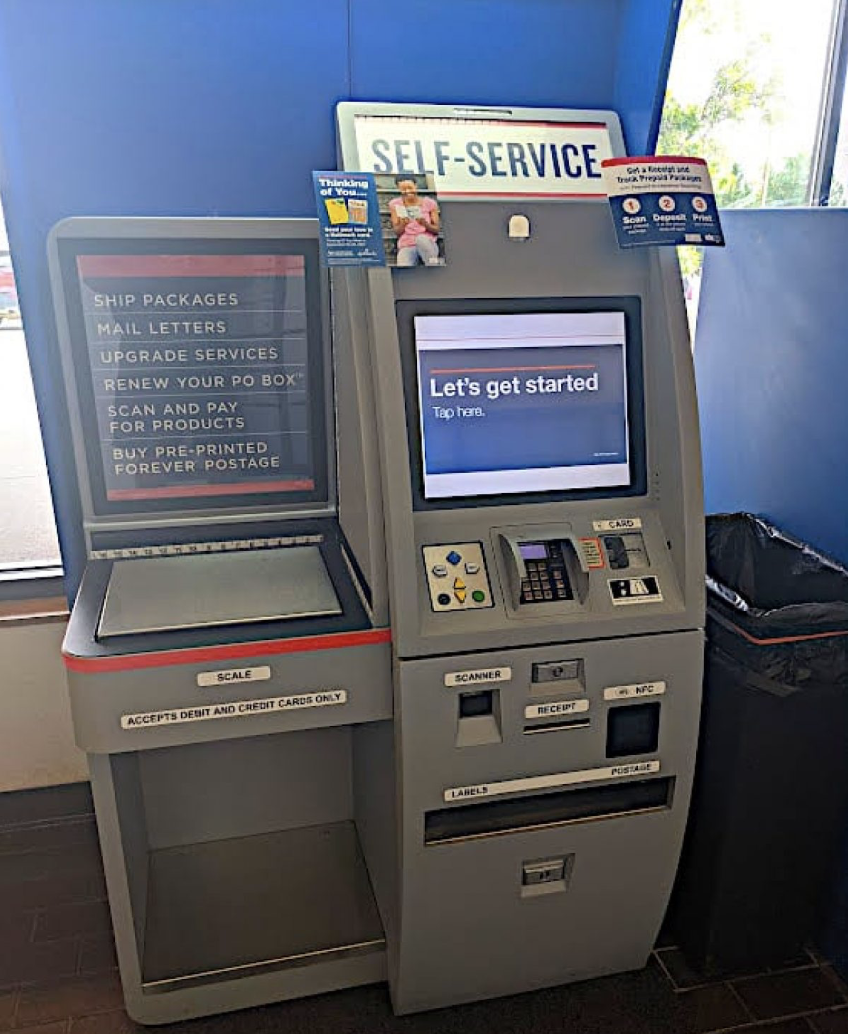
The United States Postal Service (USPS) was introducing a new AI-powered retail platform across self-service kiosks. I led the end-to-end modernization effort, defining a scalable design framework and reimagining the customer journey to improve usability, accessibility, and conversion.
problem
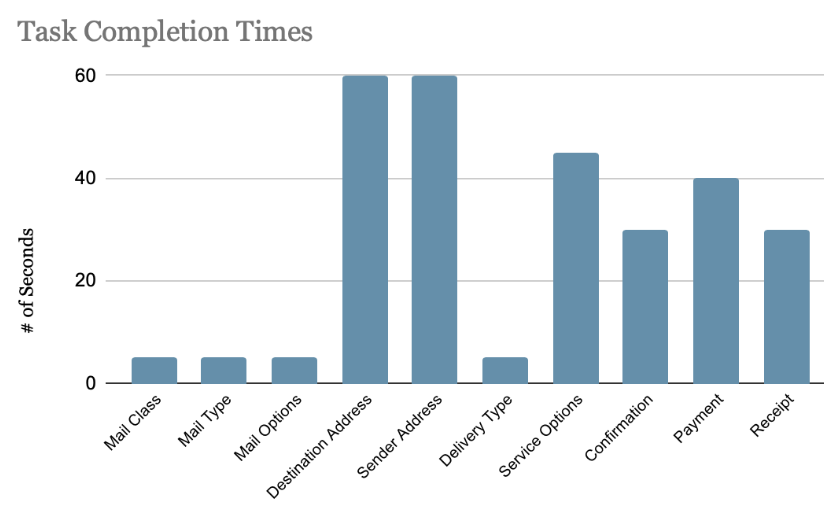
Current flows had inconsistent visual design, outdated IA, and long processes for common transactions. There was difficulty scaling new features; as AI-driven functionality grew in chatbot usage, package detection/measurement, and personalized suggestions, these issues became more apparent.

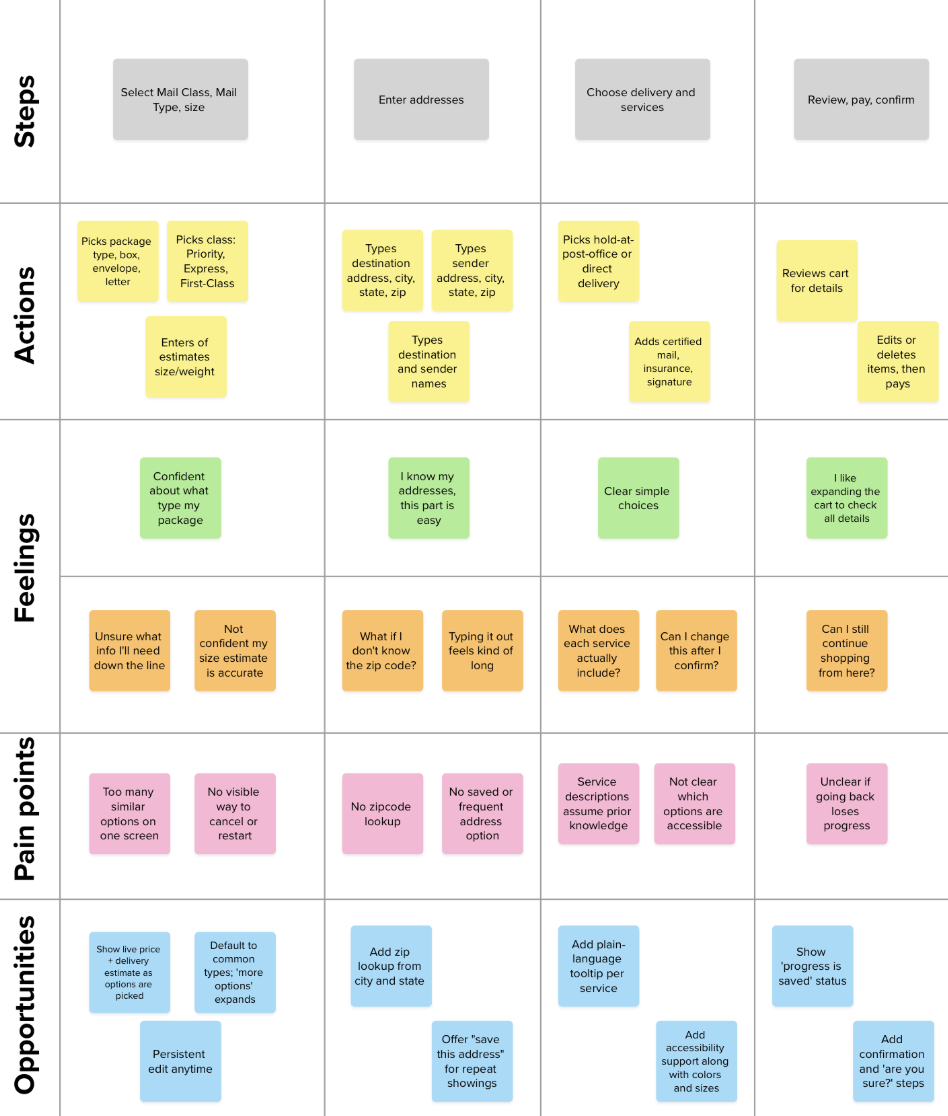
user research
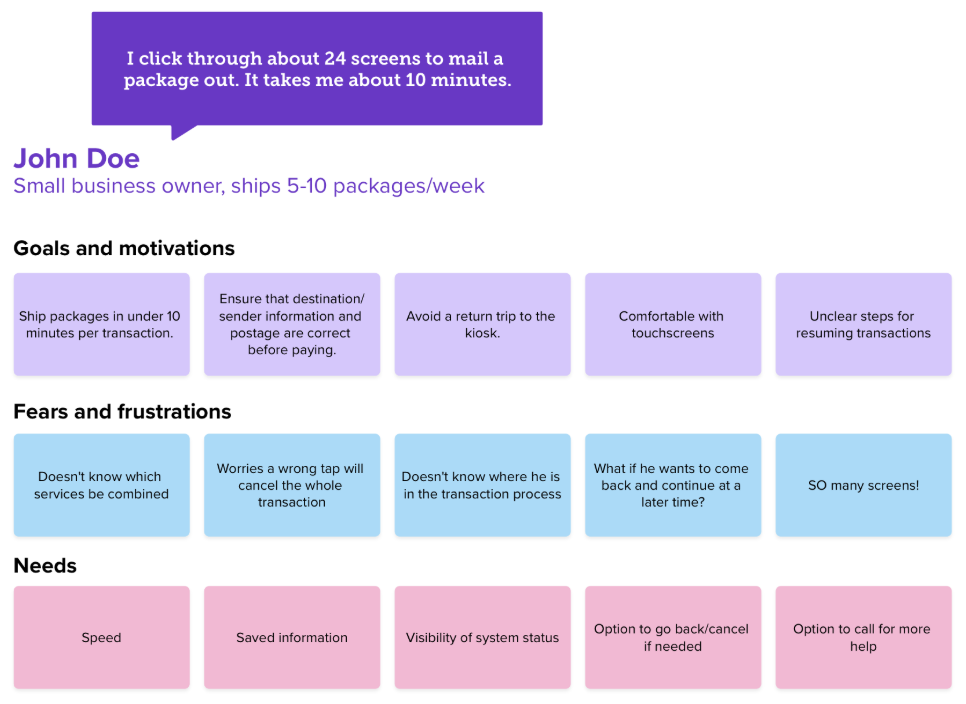
key findings


competitive analysis
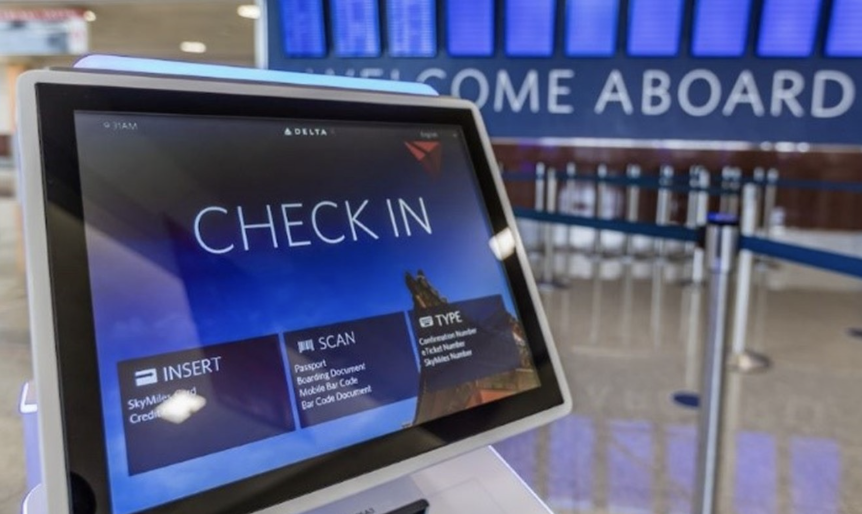
How do these platforms handle visibility of status, design patterns, accessibility, and guidance?


ideation
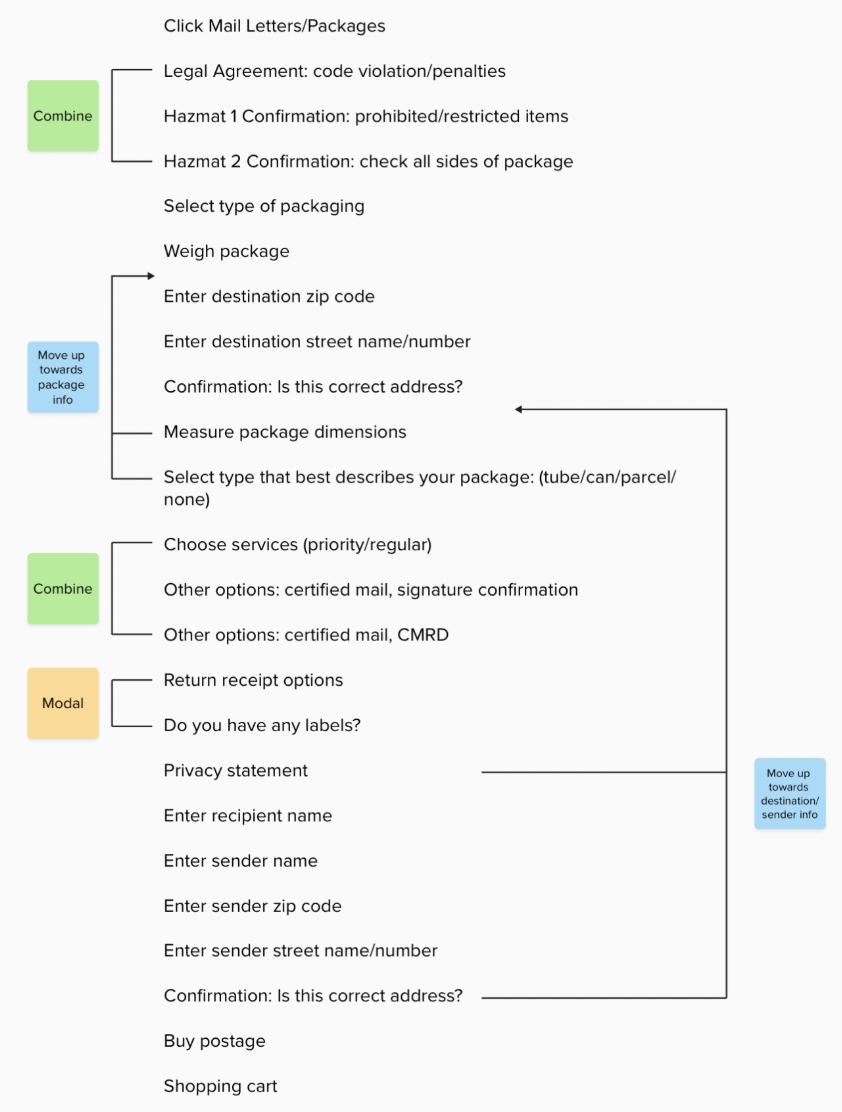
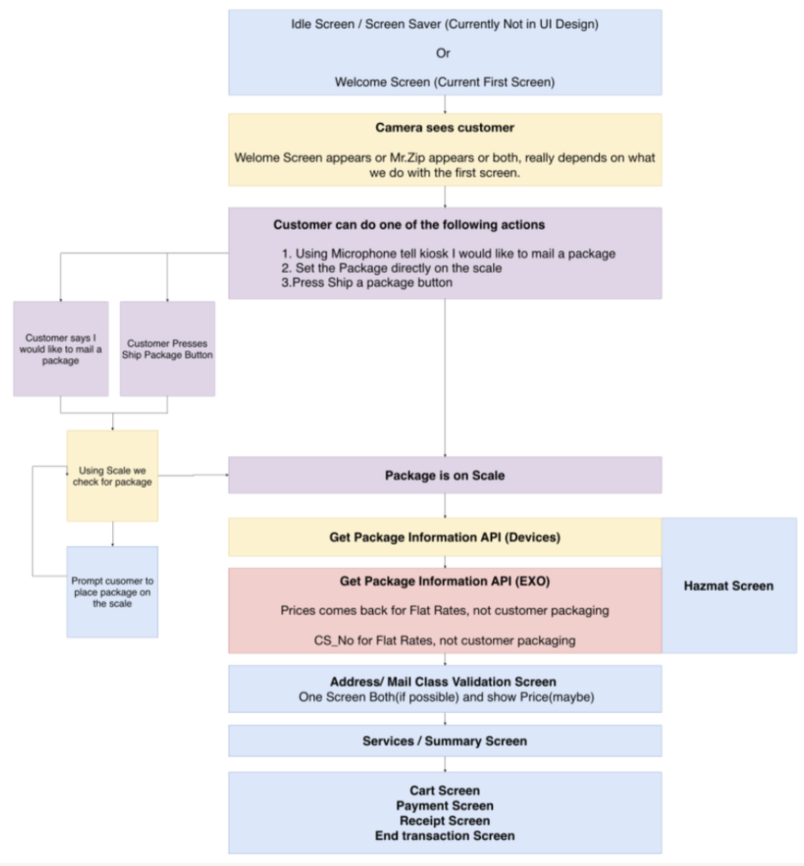
Through collaborative workshops with Product, Engineering, and R&D teams, iterations focused on:


heuristics
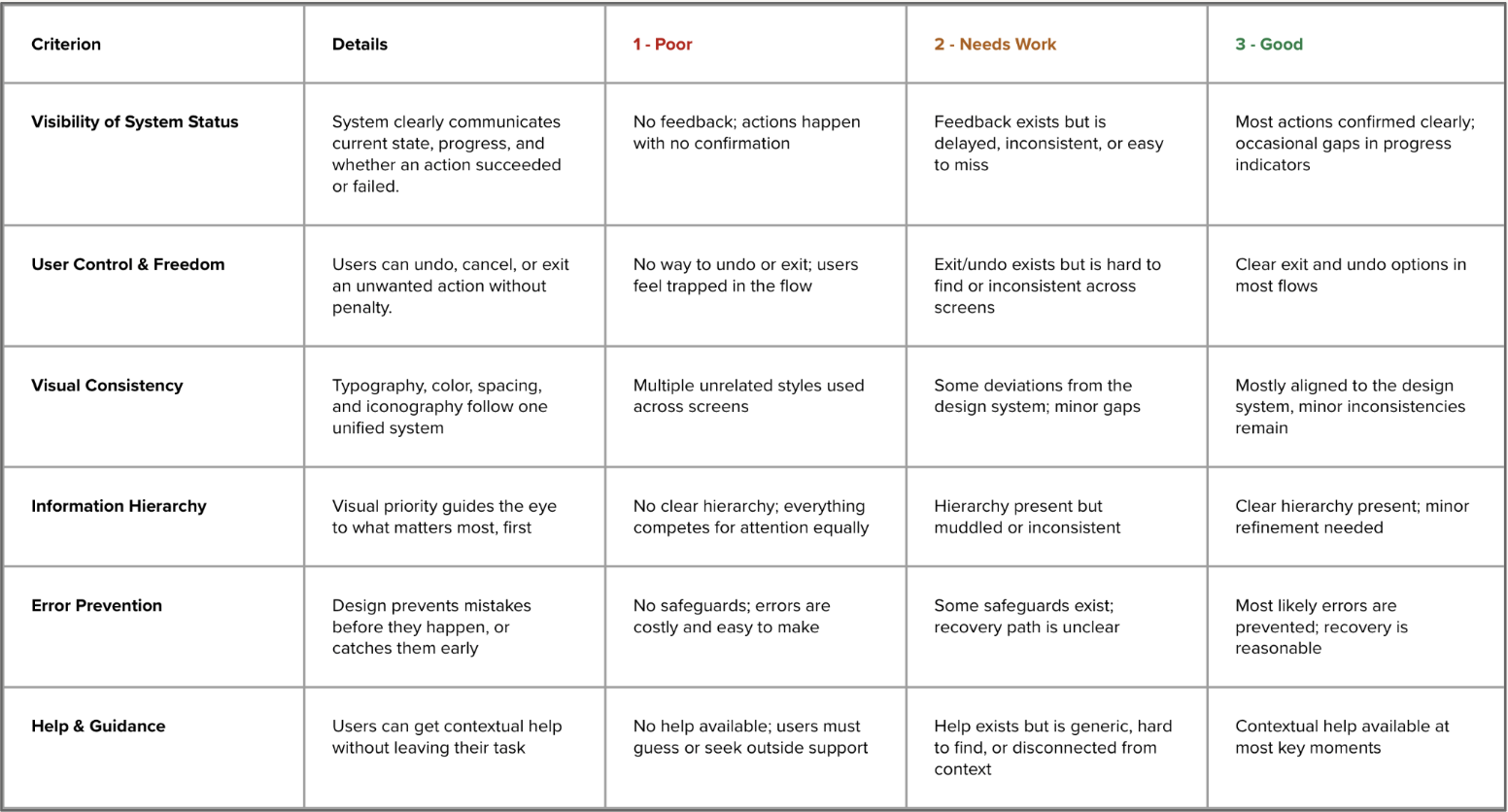
My teammates and I evaluated screen by screen, rated the severity of any issues found, and annotated exactly where and why each one violated a heuristic. I walked away with a clear list of points for improvement and comparable metrics between iterations.

stakeholder validation
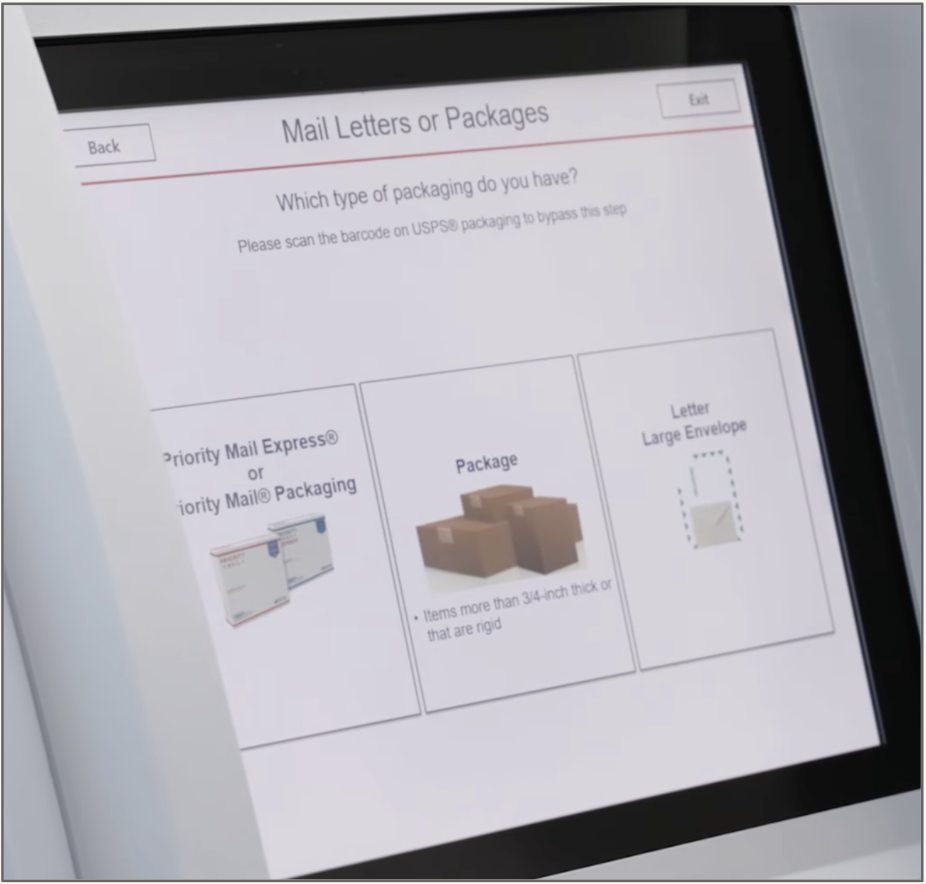
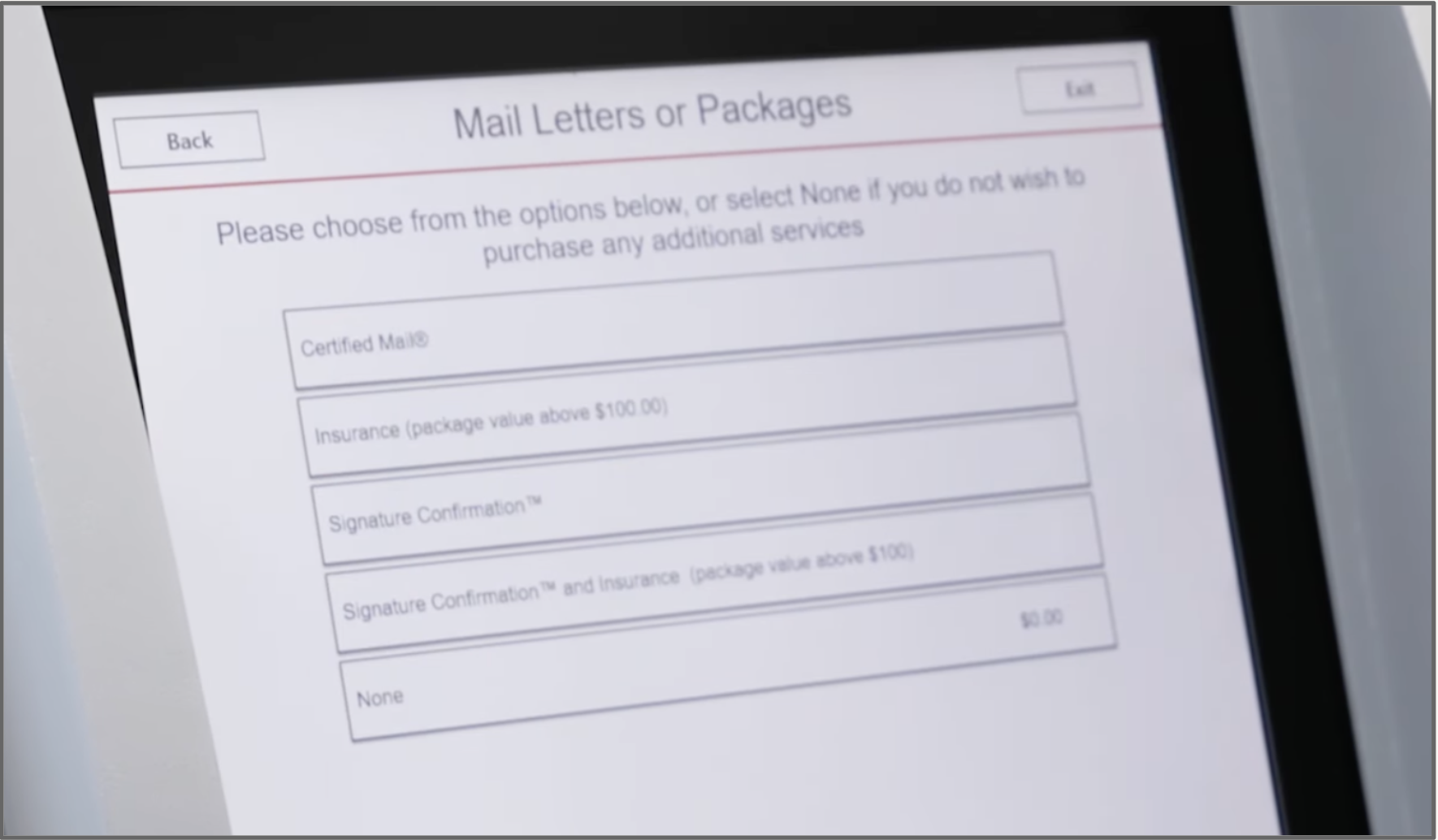
before
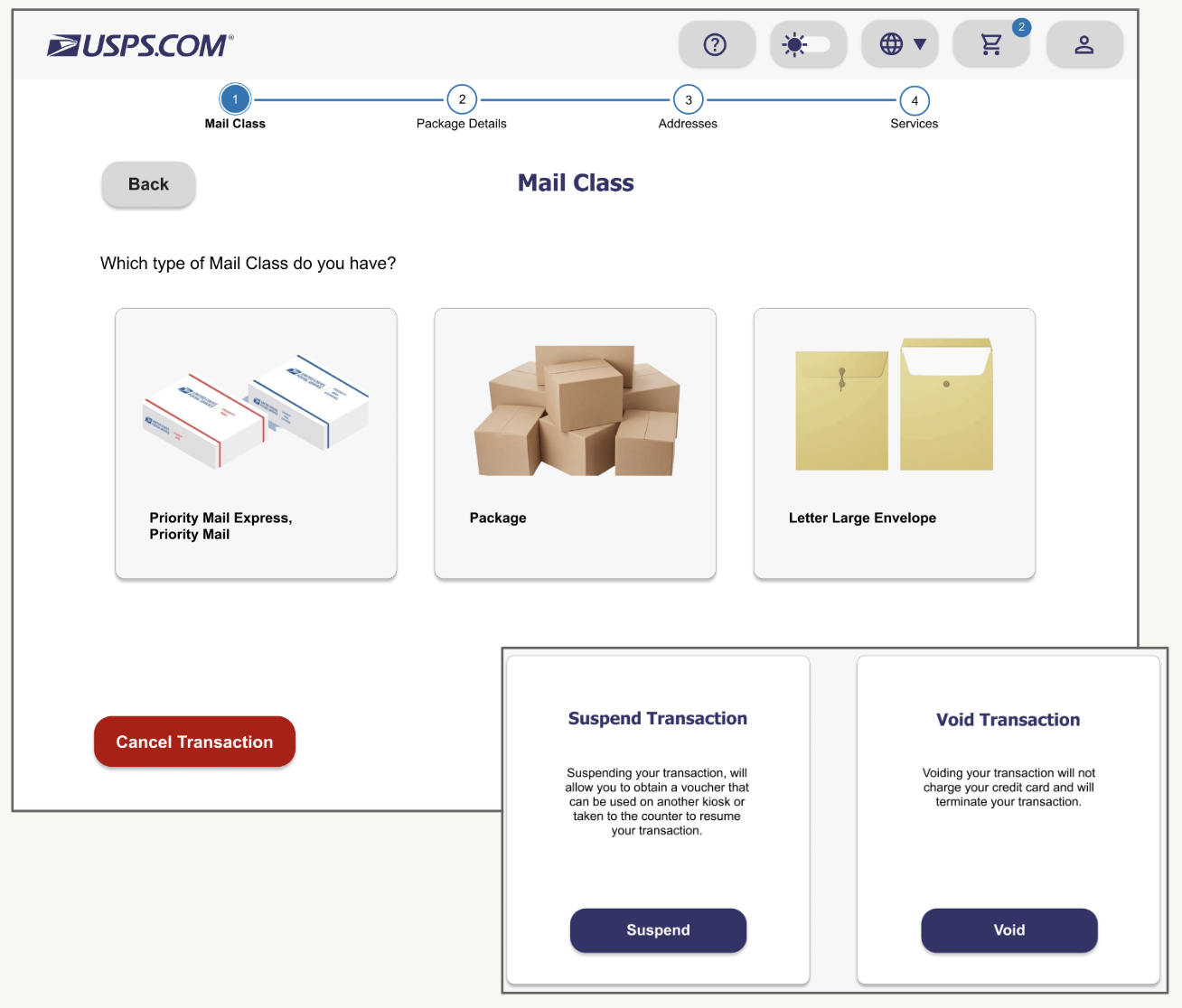
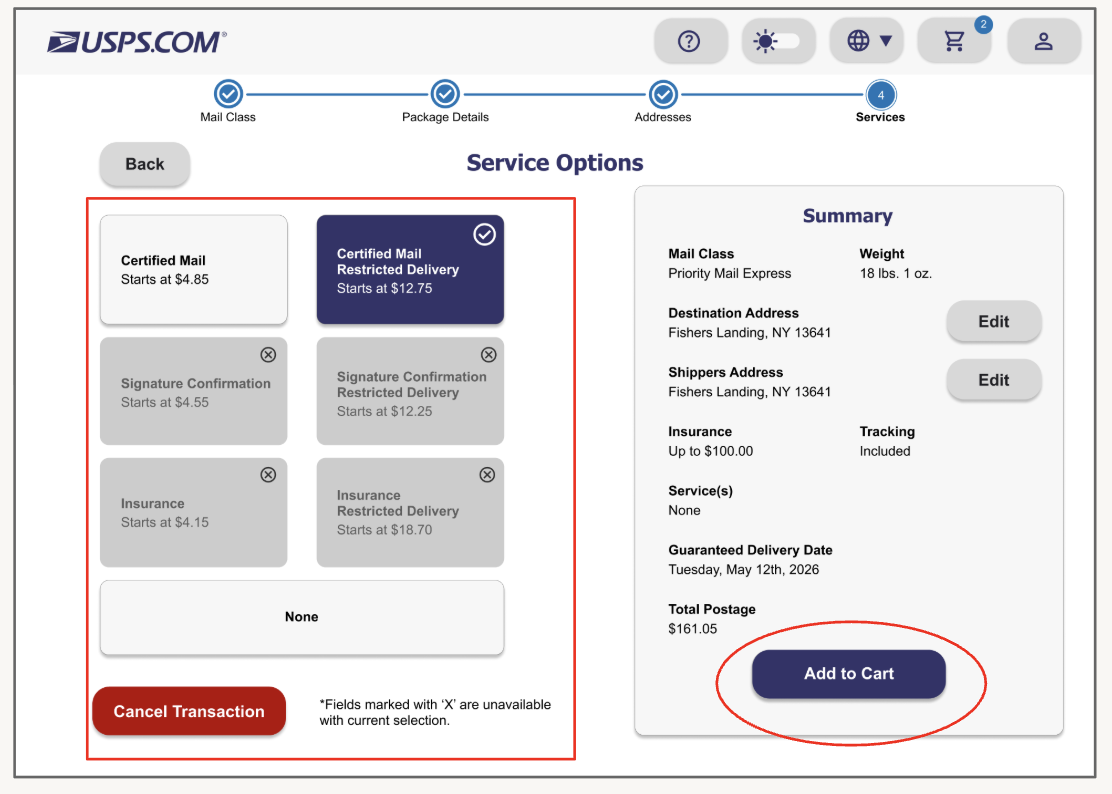
after


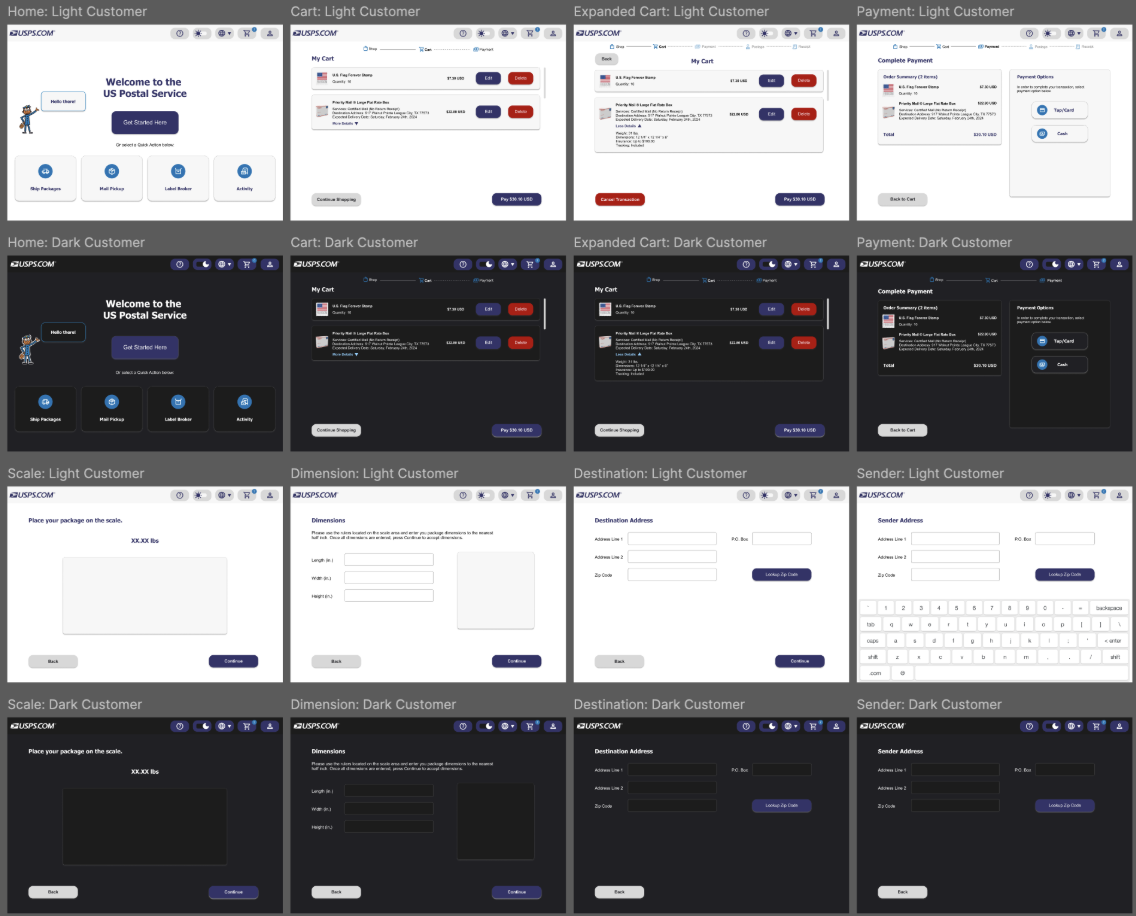
For guidance, I added a persistent nav bar with access to Mr Zip (chatbot), language options, and cart. The progress bar is a clear status indicator; back and cancel buttons give users the ability to go back on their decisions.


The cart summary shows transaction details and related services/pricing. Disabled buttons have extra visual indicators and error messages.


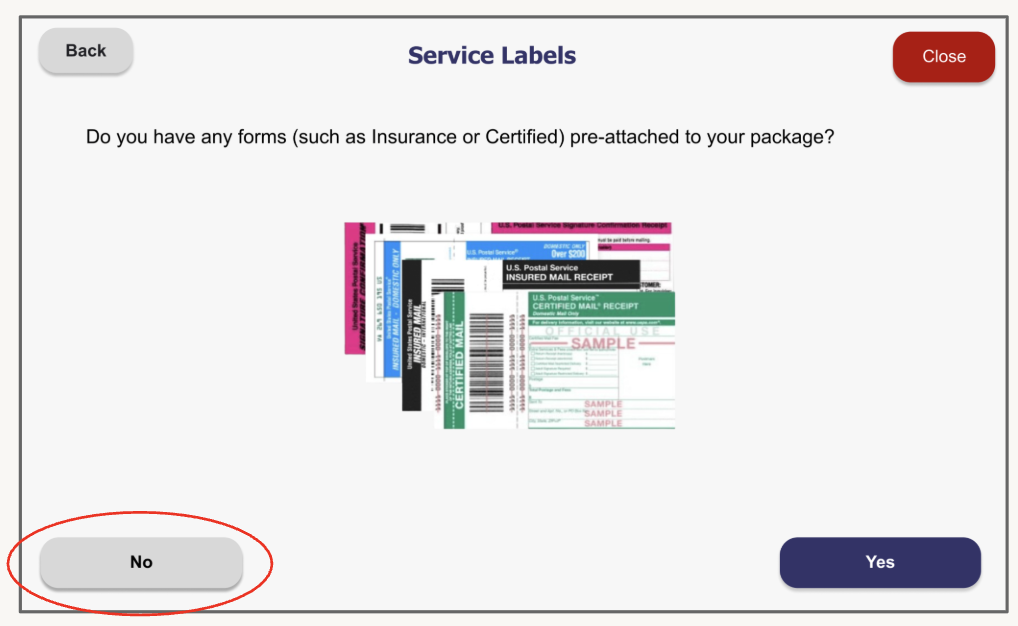
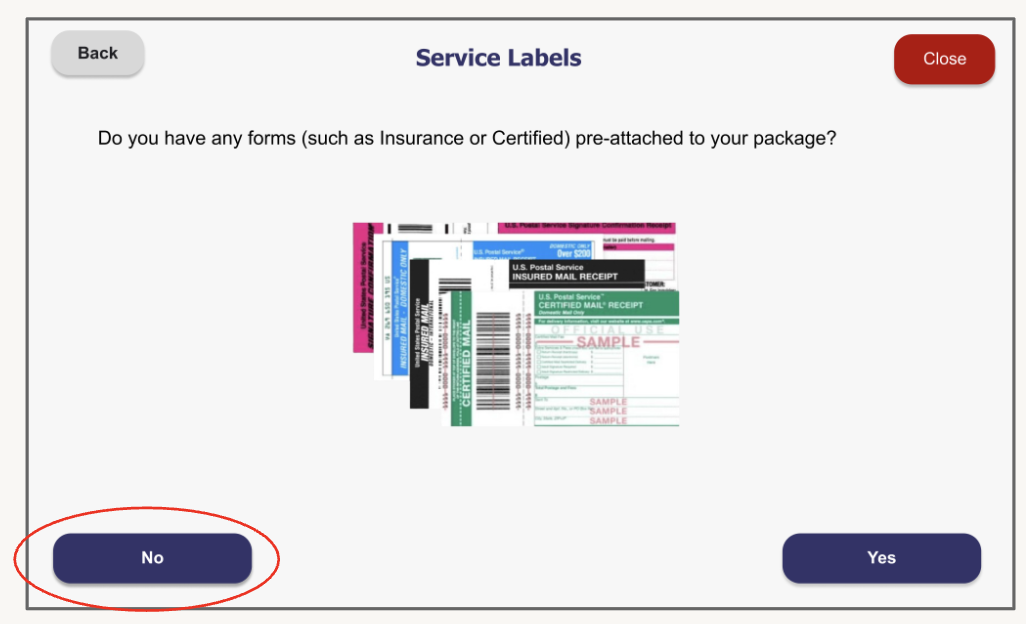
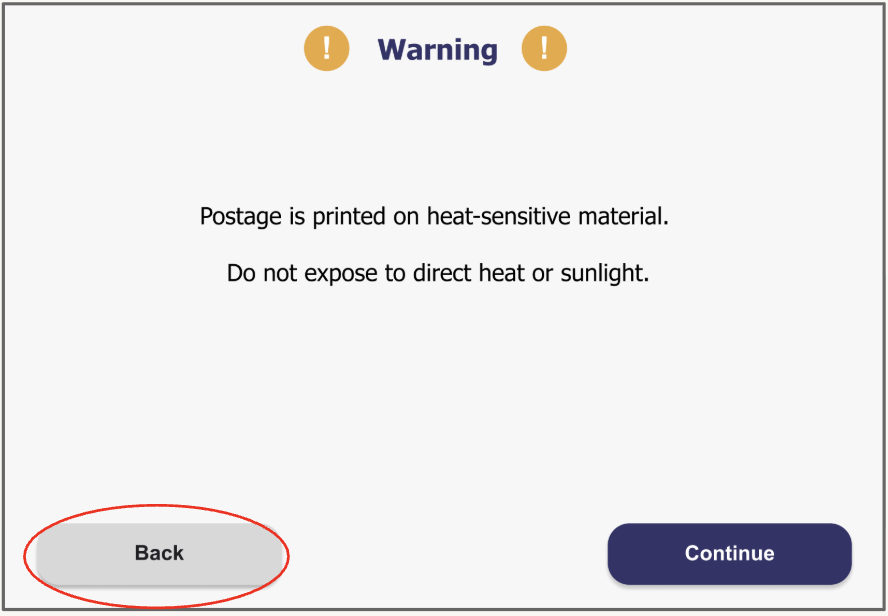
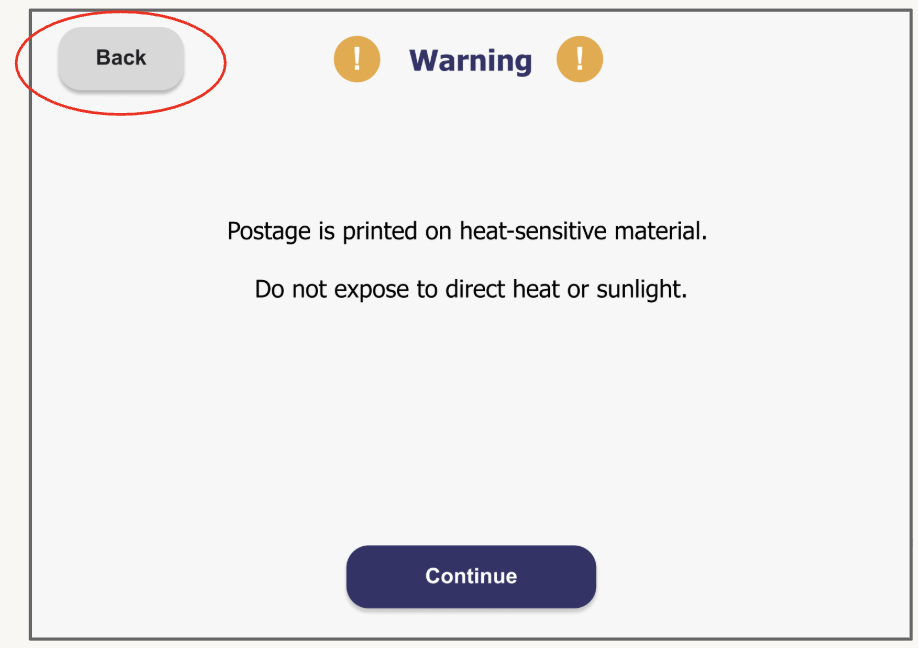
For more consistent button colors, back is grey, close is red, and primary action is blue. "No" and "Yes" are both valid answers that will bring users forward in the flow.


Moving "Back" to the top-left separates it physically from the primary forward action so they don’t accidentally click on it.
results
USPS's NextGen Retail Software System has a new modernized feel, with progress-tracked mailing flows, enhanced readability, and validated accessibility against WCAG 2.2 and Section 508 standards. At any point in a workflow, users can choose to void or suspend their transactions if they want to resume their progress later on. Customers can now act freely with options to go back/cancel/edit.
additional improvements
takeaways
Build way-outs. Test for edge cases.
Innovatively iterate. Design is not a one-and-done assignment; new technologies emerge every day.